September 24, 2026
What does “okay” actually look like? Does it look like someone who is always smiling? Someone who always wants to hang out? Maybe it looks like someone being a little quieter than usual. There are billions of people in the world, all of whom most likely struggle with something in their lives, but still put on the “I’m okay” façade.
Mental health can be particularly stigmatized because struggles are not always physical or visible. When we envision someone struggling with their mental health, we may picture someone crying, unable to get out of bed, or no longer keeping up with their usual hygiene. But someone who constantly shows up for others, is a high performer, and always seems happy can struggle, too. Looking okay is not the same as feeling okay.
Young people face pressures involving friendships, relationships, family life, school, sports, their futures, and much more, all while sometimes appearing completely “okay.” Social media often amplifies these pressures, giving young people more access to the internet and each other’s lives than any generation before them. We often hear that “comparison is the thief of joy” (especially relevant to curated social media content), so what does constant comparison mean for the mental health of middle and high school students? Some may begin to feel inadequate or behind. Others may feel like they aren’t enough, that reaching their goals is impossible, or that they don’t have the support they need to get there.

Adults may sometimes underestimate these stressors because they’ve had more time to develop emotional regulation tools, strong support systems, and coping mechanisms to manage stress. Middle and high school students have less practice with these skills, and are navigating it all on top of the major developmental and emotional changes that come with puberty.
These pressures don’t happen one at a time. Imagine a student who is late to school, realizes they forgot their homework, remembers they have a big test that day, and then has a sports tryout that afternoon. Within a few hours, that student is facing multiple stressors and emotions all at once.
“I’m okay” rarely ever tells the full story.
Sometimes, a young person might know that something feels wrong without knowing exactly what they’re feeling. Learning to name an emotion can help them understand what’s underneath their initial reaction. Maybe what feels like anger is actually sadness. Maybe irritability comes from feeling overwhelmed or exhausted. Identifying these emotions can help students become more emotionally aware and better communicate what they need.
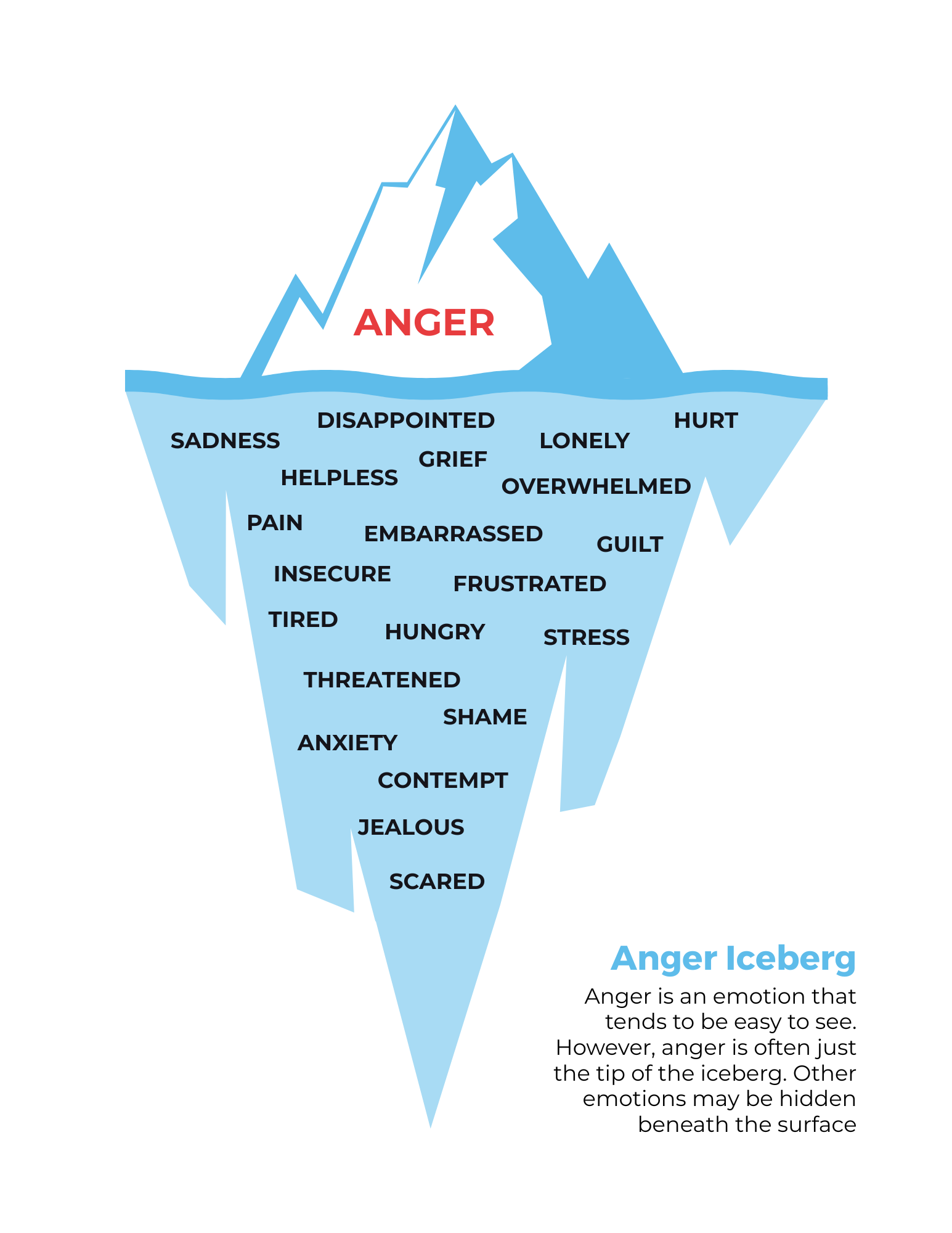
Grassroots Health educates middle school students on how to understand these emotions through activities like Spiking Emotions, where students learn to identify what they are feeling and recognize the more specific emotions that may exist underneath broader emotions. The anger iceberg further demonstrates how anger may be what someone sees externally while the core emotion, such as sadness, guilt, or pain, is hidden underneath.
GRH also teaches students about coping mechanisms and how helpful strategies can reduce stress, while less helpful strategies can create additional problems. In Capture the Coping Mechanism, our version of Capture the Flag, students capture flags representing different coping mechanisms and learn the distinction between healthy strategies, such as listening to music, and unhealthy ones, such as bullying others. Students aren’t simply told to “cope”; they are exposed to strategies they can actually use.
Another mental health game, Stress Football, teaches students about acute, chronic, and compounded stressors and how they can affect emotions and goals. As the game progresses, obstacles like resistance bands and defenders make it increasingly difficult to complete the same task, demonstrating how accumulating stress can make everyday challenges even harder to manage.
![Naomi Green playing Stress Football with Resistance Band at Fall 2026 Volunteer Training [Shannon Fawkes Photography]](https://grassrootshealth.us/wp-content/uploads/2026/09/F26-Training-Stress-Football-with-Resistance-Band-Shannon-Fawkes-Photography-e1790615165775.jpeg)
Meaningful mental health education requires patience, understanding, and spaces where students know they can communicate their needs and feel heard. Skills such as identifying emotions, emotional regulation, and healthy coping mechanisms are especially important to teach before a young person experiences a crisis. Giving students opportunities to practice these skills can help them communicate their feelings and choose healthier ways to cope when difficult situations arise.
“It’s okay not to be okay” is an important mental health message, but young people also need tangible tools they can practice, share with others, and use throughout their lives. We shouldn’t expect students to perform happiness, have everything figured out, or be perfect all of the time. Young people experience complex emotions just like adults do. When adults understand that and take their feelings seriously, students may feel more comfortable reaching out and building a support system.
At Grassroots Health, one of our top priorities is to provide students with a safe space to explore their health and develop knowledge that helps them navigate the challenges and choices that come their way. However, we recognize that many opportunities exist outside of middle school PE classes to provide these spaces and resources for young people. We make as many touchpoints as we can with middle schoolers, their families, and community partners, but it’s important that everyone pours into the young folks around us.
Together, we can help youth feel comfortable saying more than just “I’m okay.”
Taylor Matthews
Volunteer & Blog Writer, Grassroots Health