JUNE 3, 2026
Last Friday, I had the opportunity to participate in Fight For Children‘s Youth Sports Town Hall, Raising Our Game: Amplifying Youth Voices. An event designed to create spaces where organizations can learn from one another, build connections, and collectively work toward lowering the barriers that prevent young people from accessing sport and all the opportunities that come with it. This town hall truly left me feeling reflective and grateful to be part of a community committed to creating better opportunities for young people through sport.
Challenging Assumptions About Young People
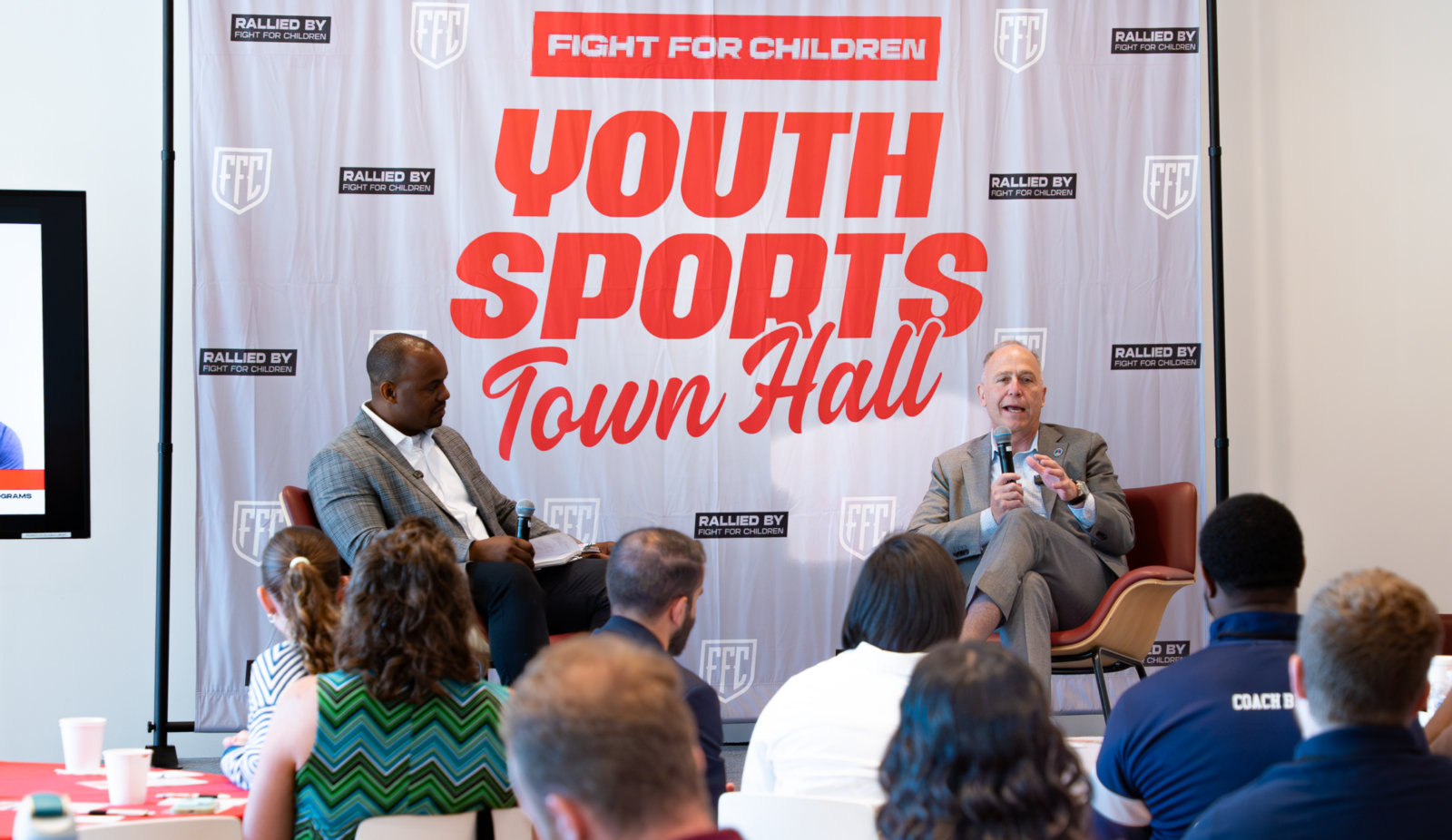
The event had many meaningful moments, starting with a conversation featuring D.C. Attorney General Brian Schwalb, in which he brought to attention the importance of challenging the assumptions we often make about young people and creating policies that see youth for who they are and who they can become. He spoke with asset-based language that truly resonated with the way I see youth development and how Grassroots Health seeks to serve youth in our community.
Ensuring Youth Have a Seat at the Table
Next, my personal highlight of the day was co-moderating the youth panel discussion, alongside Joseph Hooks, the Program Officer at Fight For Children. Joe and I shared the stage with three young people between the ages of 12 and 18, each representing different sports, schools, and athletic experiences. Throughout our conversation, they spoke honestly about the joys, challenges, lessons, and realities of being a young person and athlete in DC today. What stood out to me is not only what these young people so eloquently shared, but the fact that they were given the platform to share it.
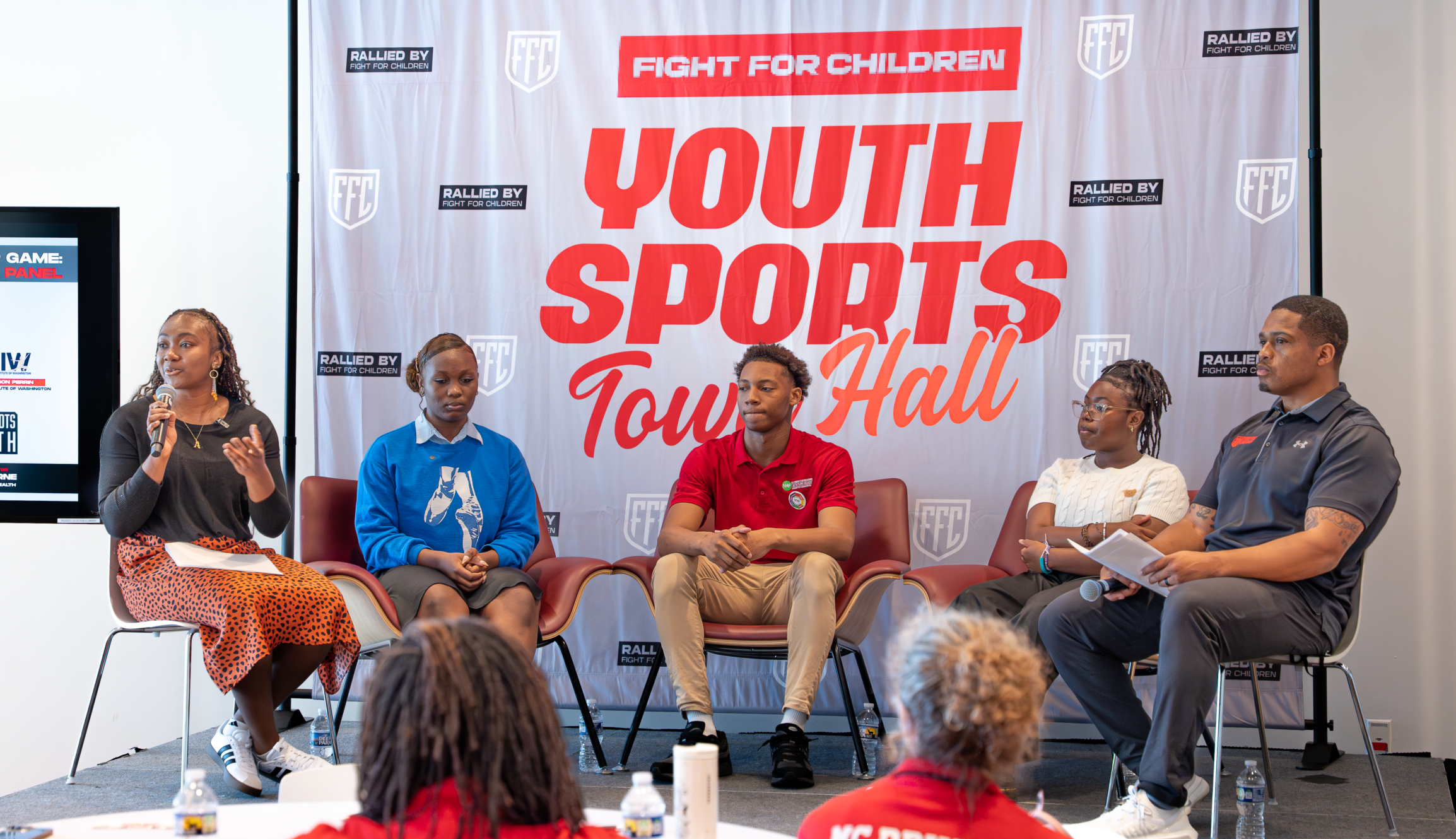
Reflecting on what participants shared at the panel, the biggest takeaway is a call to action to all the youth-serving organizations. Too often, adults spend time designing programs, policies, and initiatives for young people without meaningfully including them in the conversation. We cannot expect to create quality experiences for youth without hearing directly from the people we’re trying to serve. Young people know what is working and know what isn’t. They know the barriers they face, the support they need, and the environments that help them thrive.
If we truly want to improve youth sports, youth development, and youth well-being, their voices have to be part of the process.
The Power & Reality of Sports for Young Athletes
Listening to these athletes reminded me exactly why youth voice matters. Amidst the challenges they face, both within and outside of sports, each of them kept coming back to the same thing: their love for the game. What I admired most was their ability to hold both truths at once: the challenges and the joy that sport brings to their lives. Each of them spoke about their sport supporting their mental health, helping them think about their future, and the dedication impacting their academic performance. But they also spoke to challenges around transportation, that sports can be difficult, and explained how valuable it was to have familial and coach support. Although each athlete was different, I know from working with more than 1,700 youth annually that these topics tend to ring true for young athletes in our city. I appreciated their willingness to share these vulnerabilities so that the policy makers, sports organizers, city officials, coaches, and players in the room could all hear these elements firsthand.
I also want to recognize the communities that each of the youth came from: WINNERS Lacrosse, Dance Institute of Washington, and SOUL. The confidence these athletes displayed didn’t happen by accident. It was nurtured by coaches, mentors, staff, and families who encouraged them to speak up.
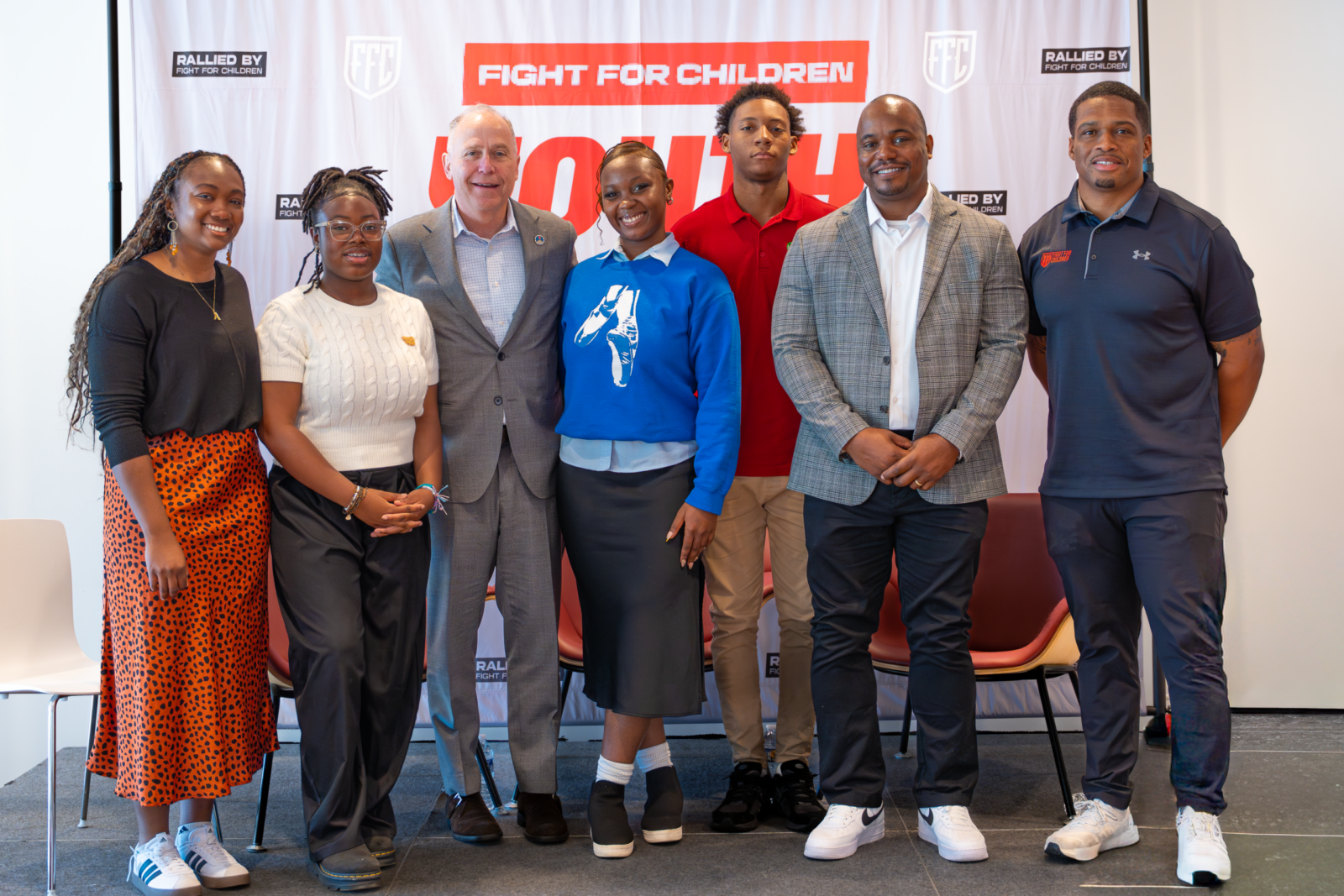
Moments like these remind me why I love this work, as throughout my career I’ve been an advocate of placing youth’s voices in the center of my work. And if last Friday taught me anything, it’s that our young people have a lot to say and we’d be wise to listen.
– Asia Horne, Senior Program Coordinator