The holiday season is a prime time for reflecting on the people and experiences we are grateful for. From turkey trots to volunteering at soup kitchens, the holidays are filled with generosity, community, and cheer!
But before we get into thankfulness, it’s important to acknowledge Thanksgiving’s history. As we celebrate the holiday, we cannot overlook it’s origins in the colonization of Indigenous lands and mistreatment of native people. With this context in mind, I want to turn to a positive sentiment that many associate with this time of year: gratitude.
How Gratitude Supports Youth Mental Health
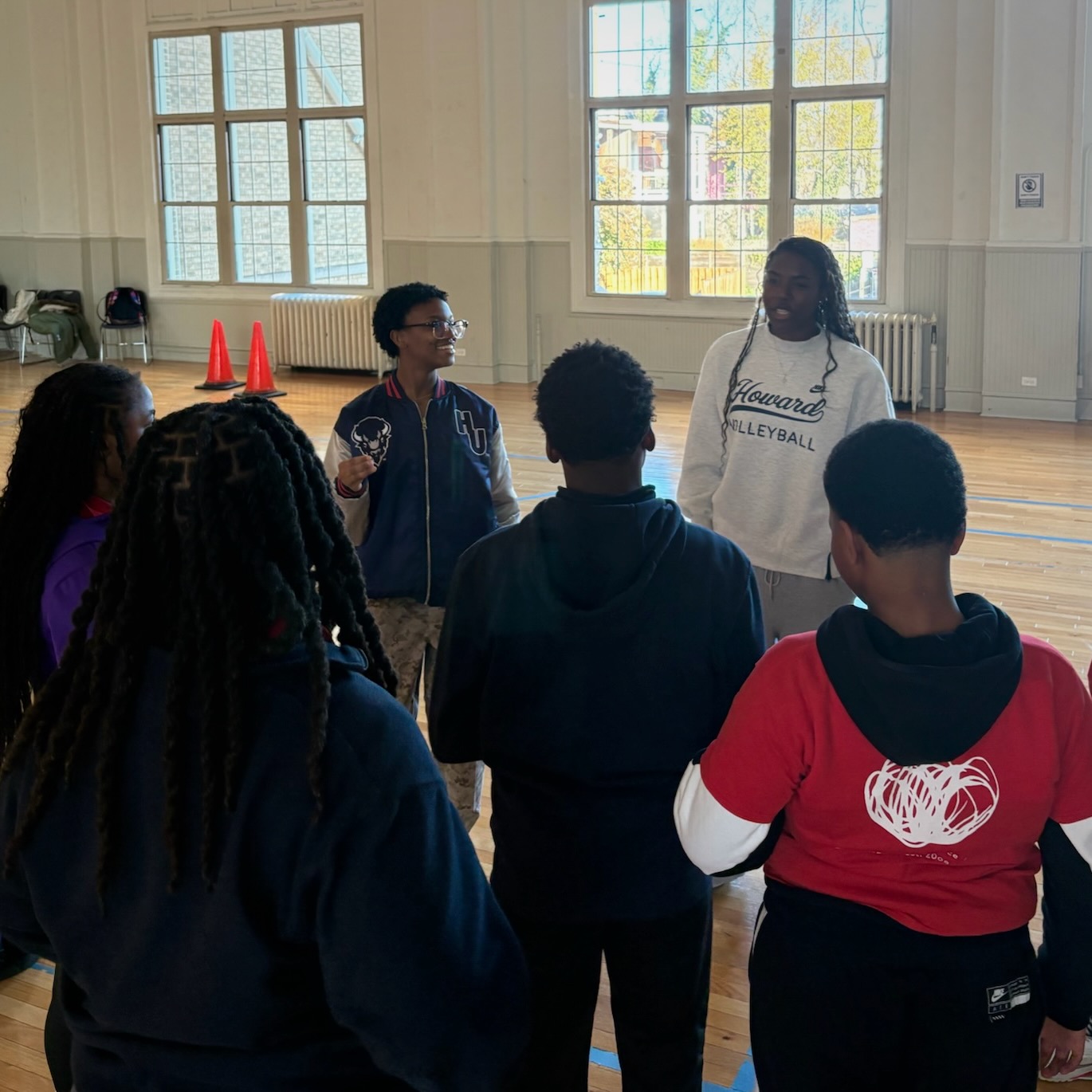
In Grassroots Health (GRH) mental health programming, we weave the concept of gratitude throughout 10 practices with our eighth graders. Students learn about various healthy coping mechanisms, with a specific activity on gratitude to help manage stress and regulate emotions by encouraging mindfulness and self-awareness.
Practicing gratitude can strengthen relationships, promote emotional resilience, and help youth experience greater feelings of happiness, life satisfaction, and hope (Greater Good Science Center). With high school approaching, being able to slow down and remember what their grateful for can help students navigate the imminent responsibilities, stressors, and challenges that may arise in coming years. The practice does not mean ignoring negative emotions, but rather appreciating positive experiences and support system, amidst life’s challenges.
Grassroots Health’s Mindfulness Practice in Action
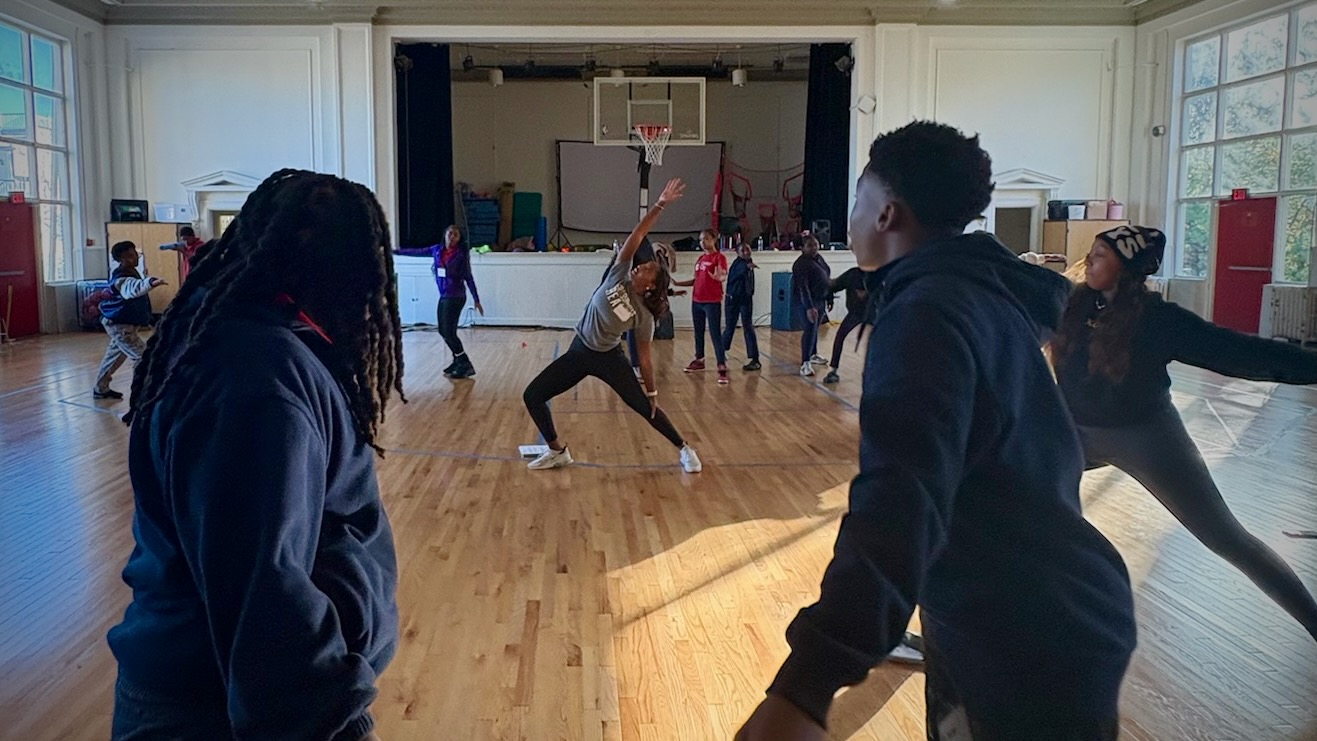
I recently facilitated GRH’s Mindfulness Practice at Center City PCS – Capital Hill, where we focused on yoga and gratitude. Through yoga, students explored the connection between their bodies and emotions, while learning that there’s no perfect way to do so. In fact, a 2024 integrative literature review and study found strong evidence that yoga positively impacts a variety of psychological symptoms and cognitive functions among young people (Kerekes et al.).
Having practiced yoga since high school, I’ve personally experienced its benefits, including increased patience, reduced anxiety, and improved emotional regulation. The Mindfulness Practice has become one of my favorite GRH sessions to teach, and volunteering itself has become a way for me to express gratitude. Sharing tools that I use for my own mental health with young people is an opportunity I am especially grateful for.
Then, during our “Gratitude Snapshots” journaling exercise, students imagined holding a camera that can only capture moments that make them feel safe, happy, or thankful. Next, they wrote three “snapshots” from the past week, reflecting on how those experiences made them feel. In the session, students expressed gratitude for friends, family, teammates, their homes, and of course, GTA 6! These reflections helped students identify their values, and also created opportunities for us volunteers to bond with the students through shared interests.
Practicing Gratitude Beyond Thanksgiving
There are many ways to incorporate gratitude into our everyday lives, and it’s a practice worth carrying throughout the year. Sibinga et al.’s 2016 study across two Baltimore schools reinforces this notion, demonstrating that student involvement in mindfulness-based stress reduction programs can decrease levels of depression, negative coping behaviors, and trauma-related symptoms. As parents, mentors, and educators, we all can lead by example to help young people engage in mindfulness and gratitude in their everyday lives.
At Grassroots Health, we are committed to equipping young people with tools to support their mental well-being. By encouraging students to apply lessons like these to their everyday lives and share what they learn with peers and family, we strive to create a lasting impact that goes beyond the students we reach.
Taylor Matthews,
Volunteer & Blog Writer, Grassroots Health
Sources
Greater Good Science Center. (n.d.). The youth gratitude project. University of California, Berkeley. https://ggsc.berkeley.edu/what_we_do/major_initiatives/expanding_gratitude/youth_gratitude_project
Kerekes, N., Söderström, A., Holmberg, C., & Hedman Ahlström, B. (2024). Yoga for children and adolescents: A decade-long integrative review on feasibility and efficacy in school-based and psychiatric care interventions. Journal of Psychiatric Research, 180, 489–499. https://doi.org/10.1016/j.jpsychires.2024.11.016
Sibinga, E. M. S., Webb, L., Ghazarian, S. R., & Ellen, J. M. (2016). School-based mindfulness instruction: An RCT. Pediatrics, 137(1), Article e20152532. https://doi.org/10.1542/peds.2015-2532